WEBSITE REDESIGN · 2025
Chrysaliis Consultancy
Transforming Global Business Expansion Through User Centric Design.
Lead UI/UX Designer · Discovery to Handoff
Chrysaliis helps companies expand into complex global markets. The problem wasn’t capability. It was perception. Their website felt static, text-heavy, and theoretical. But their clients are CXOs making high-stakes decisions under time pressure. They don’t browse. They scan for proof. My role was to rebuild the site around that behavior.
INTEGRA MAGNA · 12 WEEKS · FIGMA
The Challenge
Navigation lacked hierarchy. Mobile wasn’t structured properly, even though 35% of traffic came from phones. There were no visible case studies, no measurable proof, and no strong primary action.
The old Chrysaliis website had information. It didn’t have clarity. The gap wasn’t visual polish. It was strategic structure.
For a consulting firm serving CXOs, that’s a credibility gap. Executives don’t browse. They scan for signals. The site wasn’t built for that behavior.
View Live Website
Discovery Phase
Different roles. Same expectation: reduce risk.
Across conversations, three patterns showed up:
Founder mindset “I need market entry in 90 days, not 9 months.” Speed > perfection. Legal friction kills momentum. Operations leaders “Show me you’ve handled supply chain chaos before.” They want execution stories, not frameworks. Marketing heads “Global brand, but locally relevant.” They care about nuance and cultural intelligence.
User Strategy
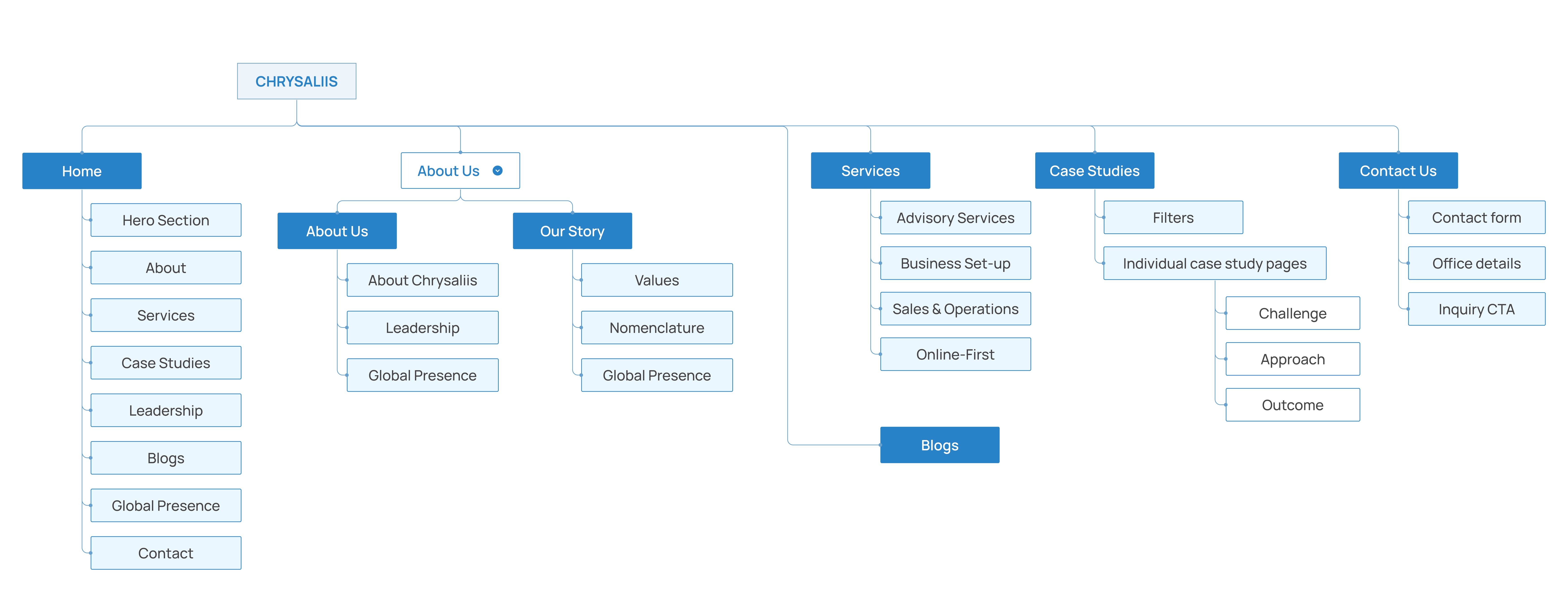
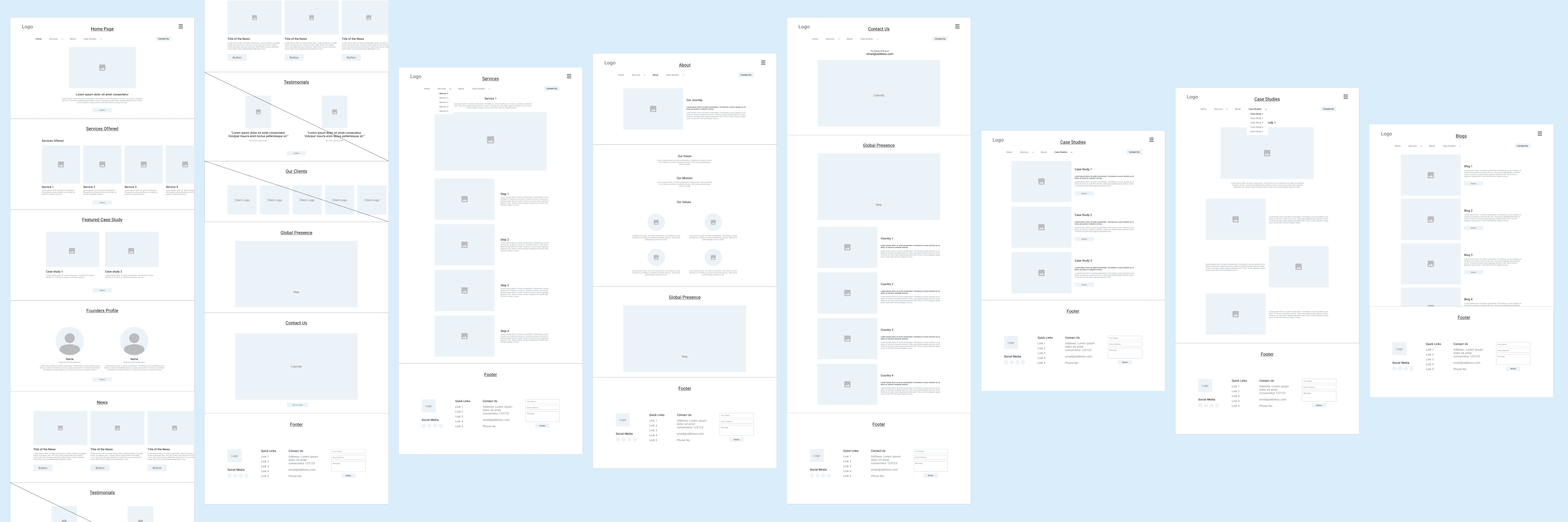
Credibility: Metrics. Case studies. Signals of scale. Relevance: Can they solve my exact problem? Action: Is it easy to initiate a conversation? The structure followed that sequence: Hero → Services → Proof → CTA
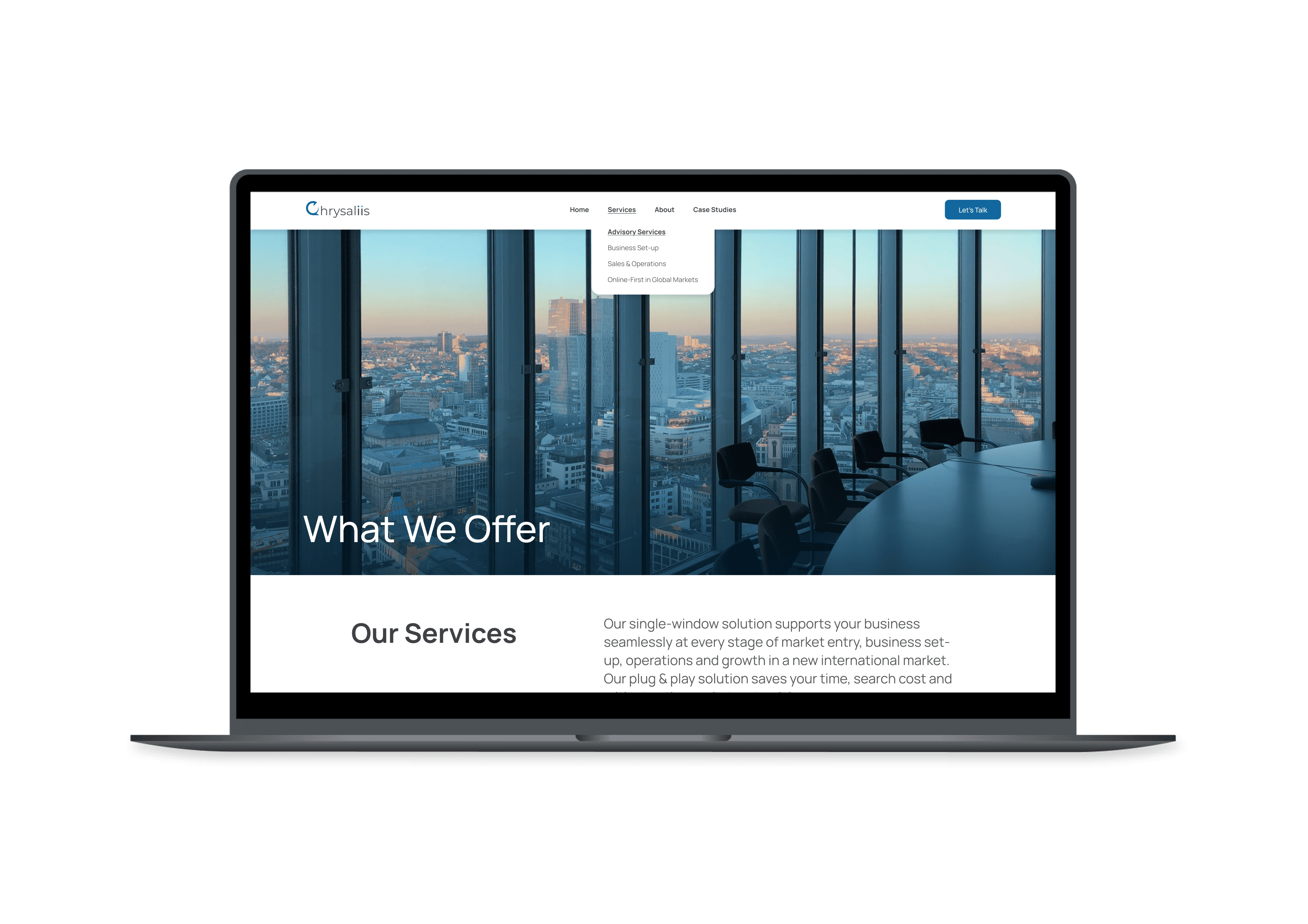
Navigation was reduced to remove decision friction. Case studies were moved higher to anchor trust early. The goal wasn’t more content. It was faster validation.
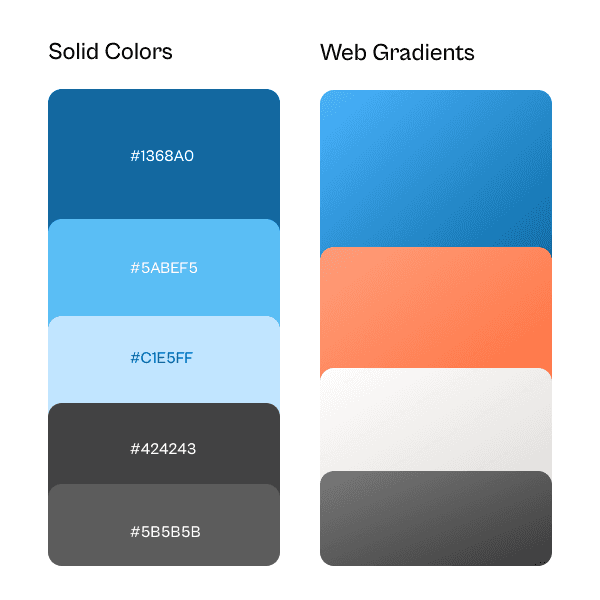
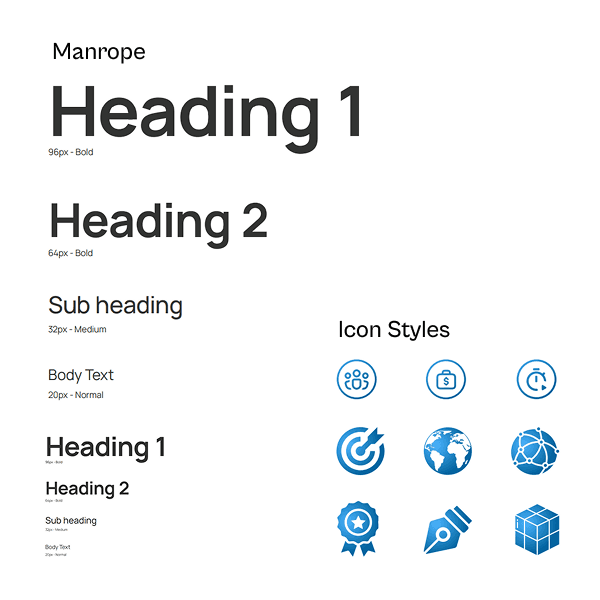
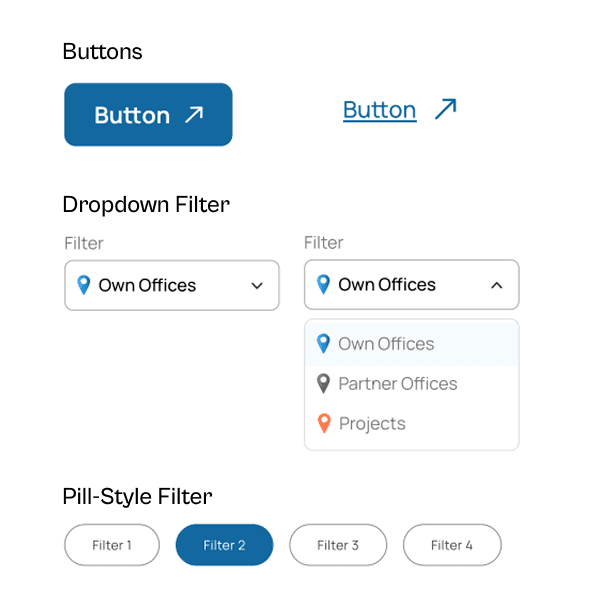
Chrysaliis works with high-level decision-makers. Executives don’t explore. They evaluate. The site needed to shift from about us to why trust us.
Trial and Errors
V1 → Too Much Structure
I tried a megamenu with categorized services. On desktop it looked organized. In testing, it overwhelmed users. 40% couldn’t quickly locate case studies. That told me hierarchy ≠ clarity.
V2 → Simplified, but Passive
Reduced navigation to 4 expandable cards. Improved hero readability on mobile. But the CTA lag created hesitation on mobile. Small delay. Big psychological drop.
V3 → Final Direction
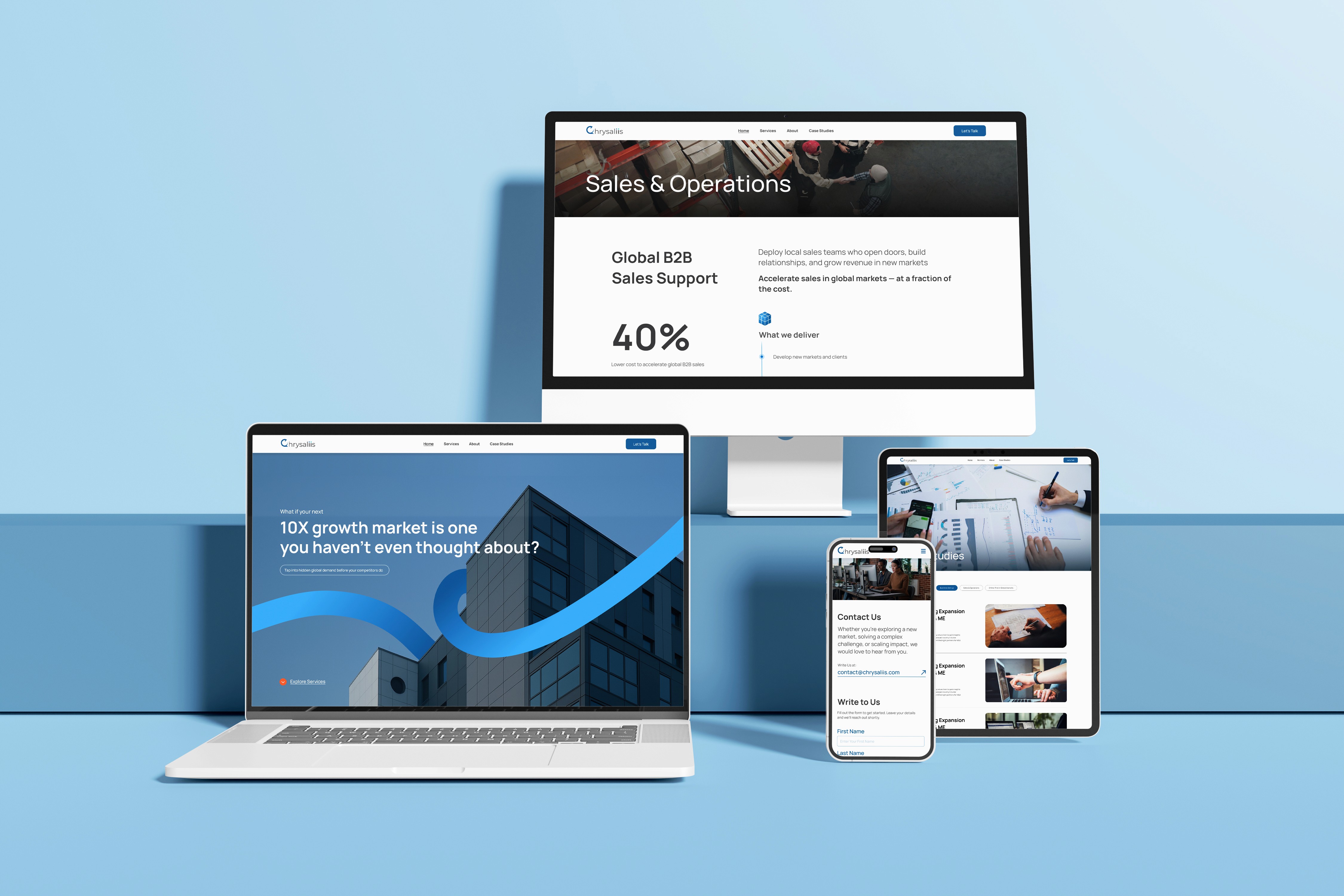
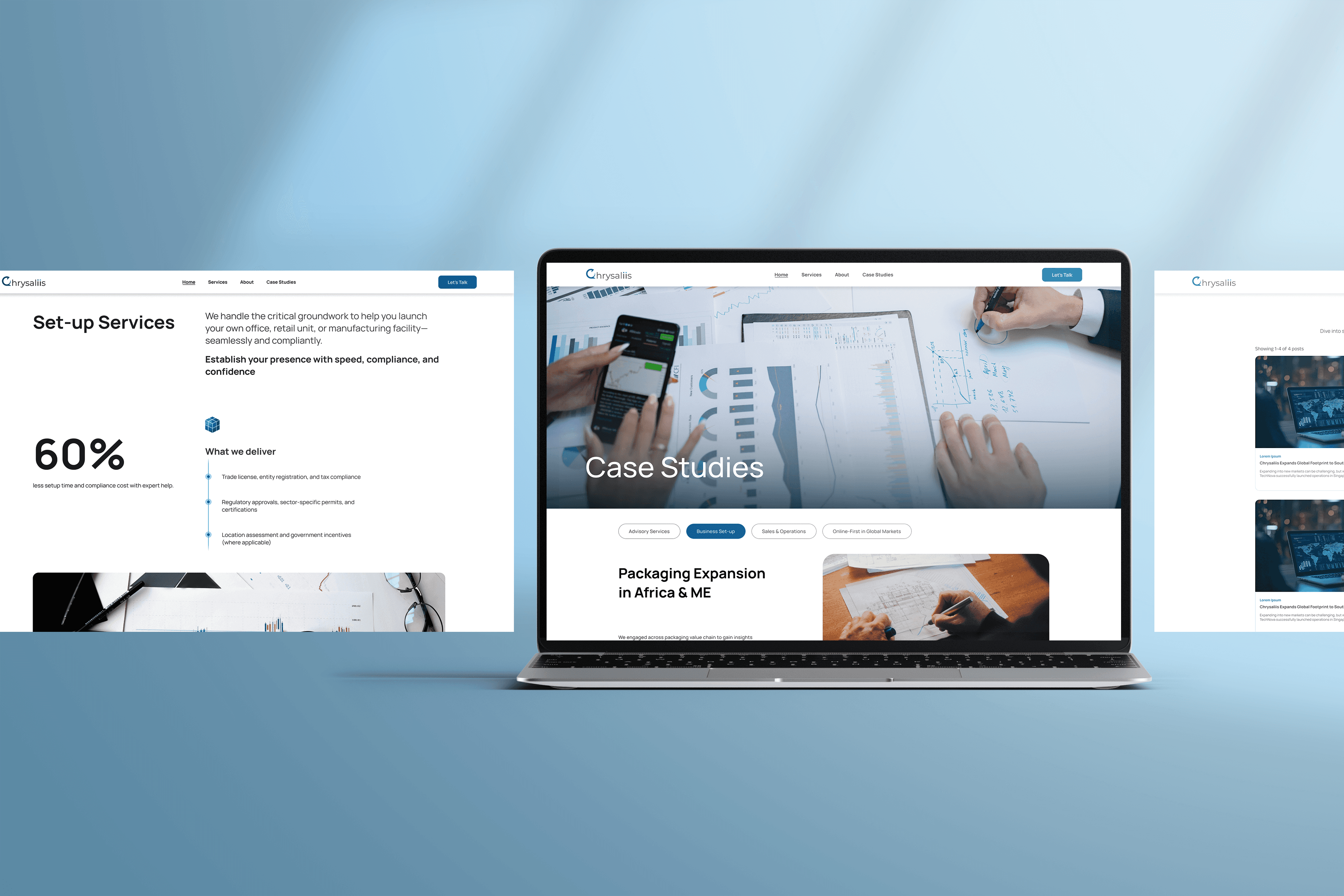
Service cards reveal metrics on hover. Scroll-triggered data reinforces credibility without clutter. The final structure supports scanning, not browsing.

The Solution
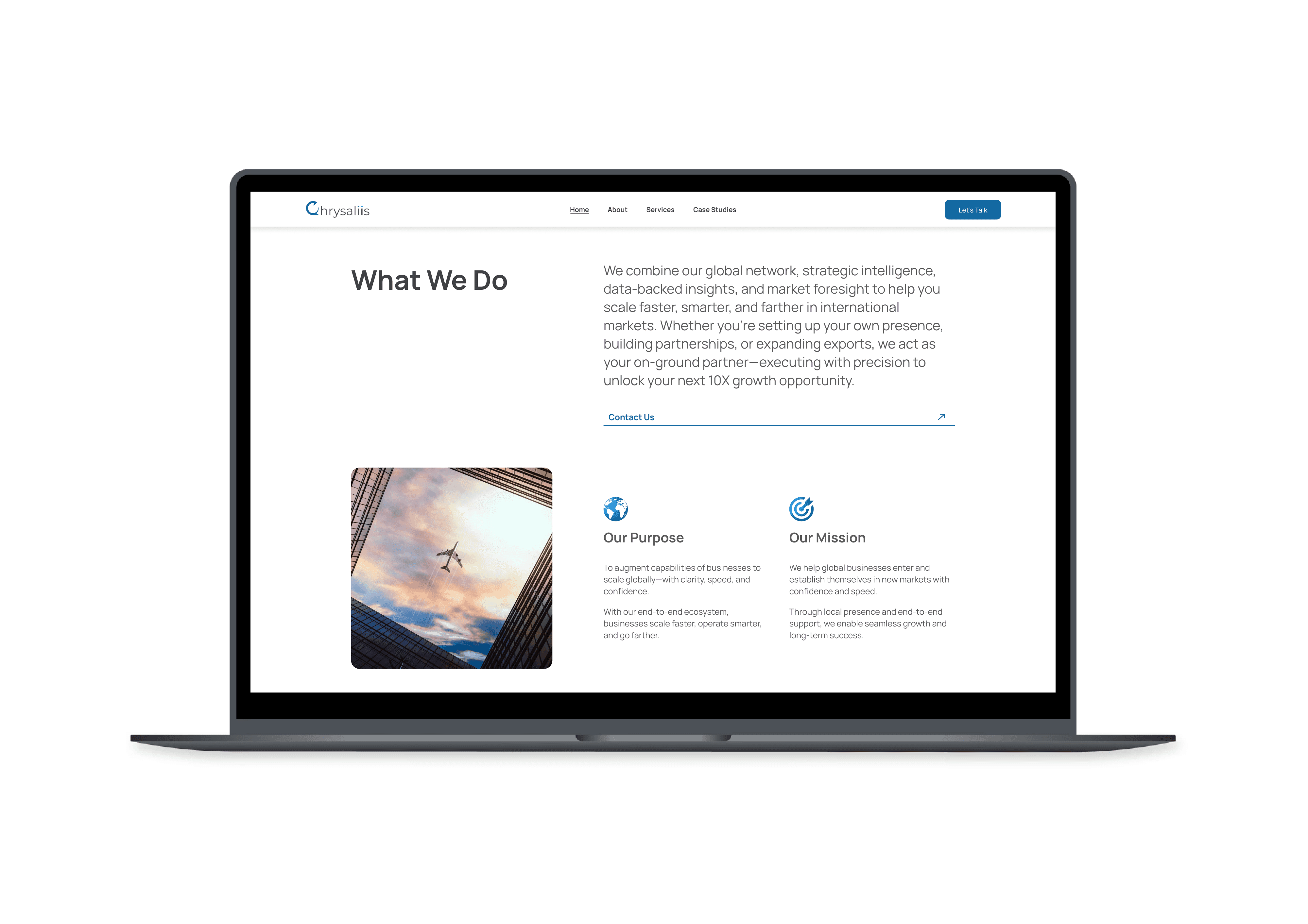
I shifted the site from explaining services to demonstrating execution. Instead of long descriptions, the structure now supports how executives actually process information: scan → validate → decide.
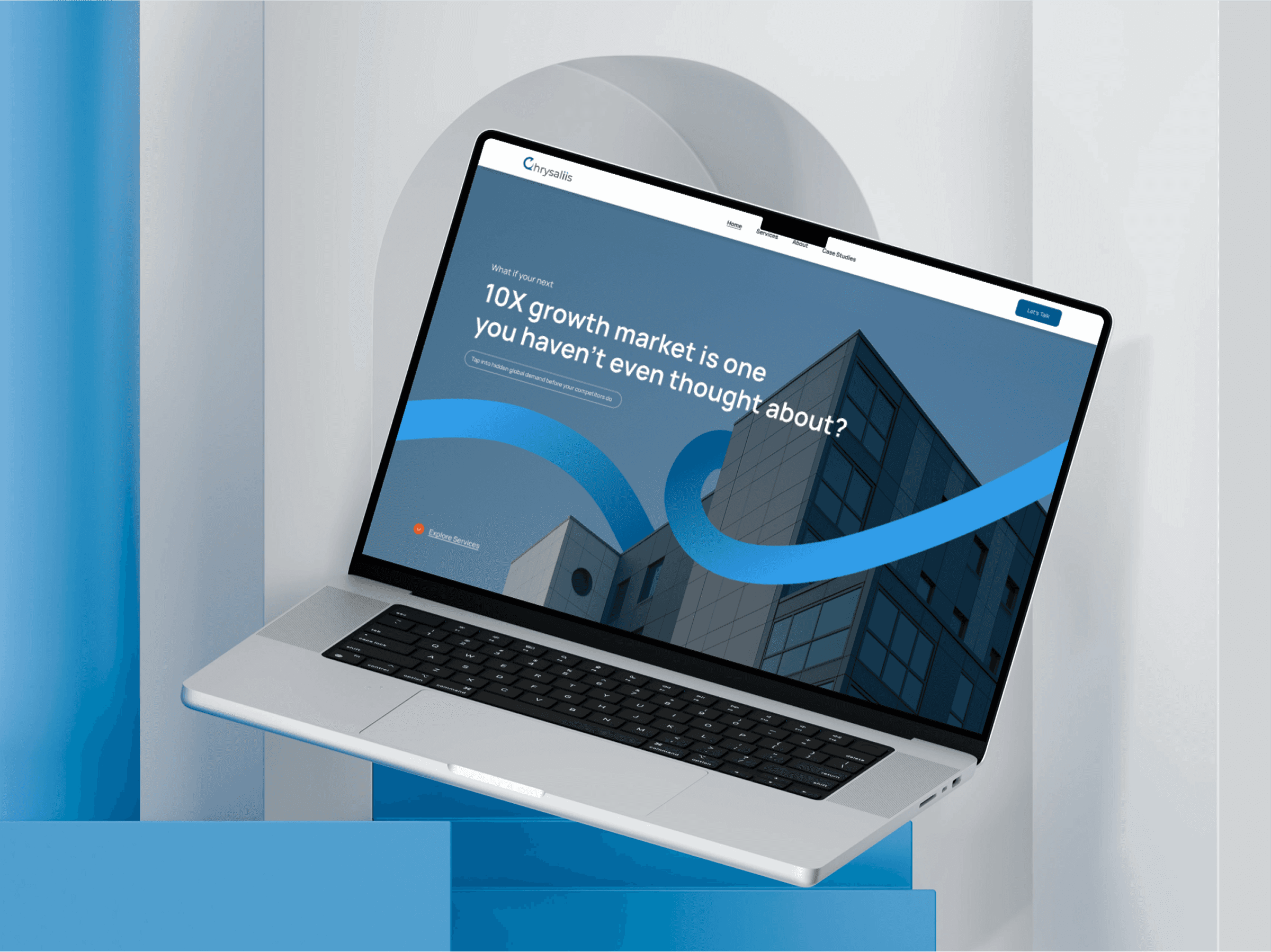
Structured Narrative Flow
The homepage is organized around decision stages: • First 8 seconds → credibility • Next scroll → proof of execution • Then → service clarity • Finally → clear action
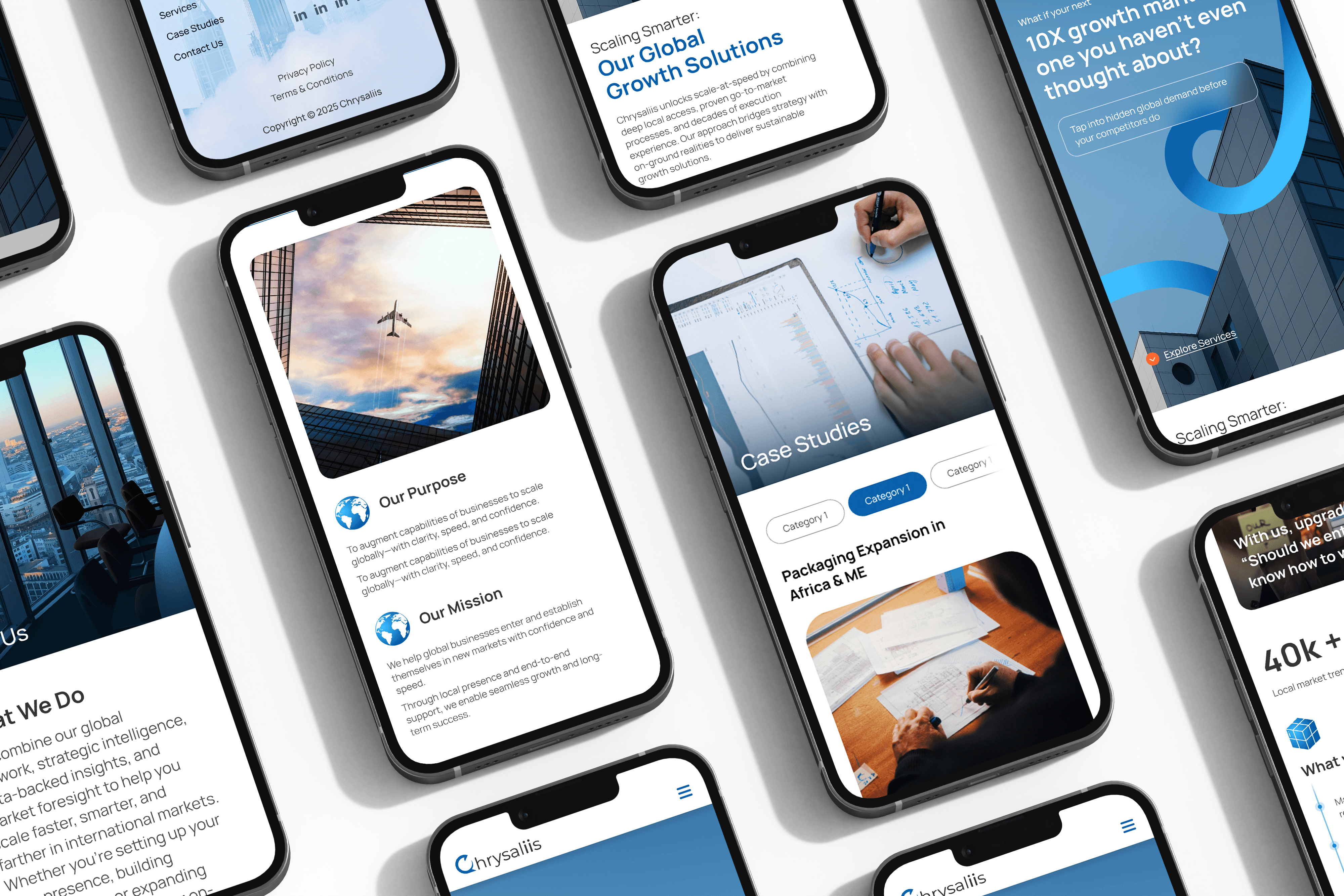
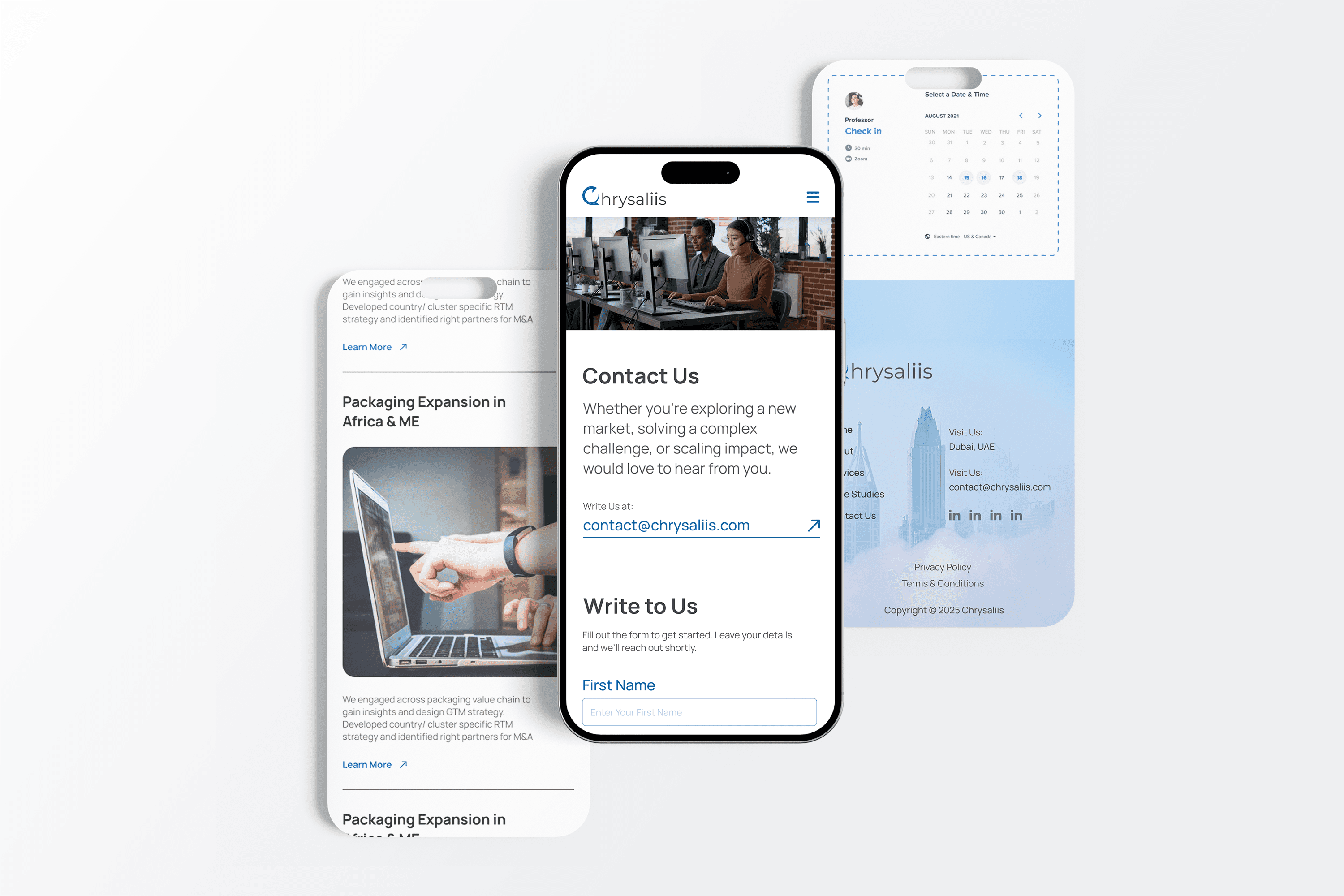
Mobile-First Responsiveness
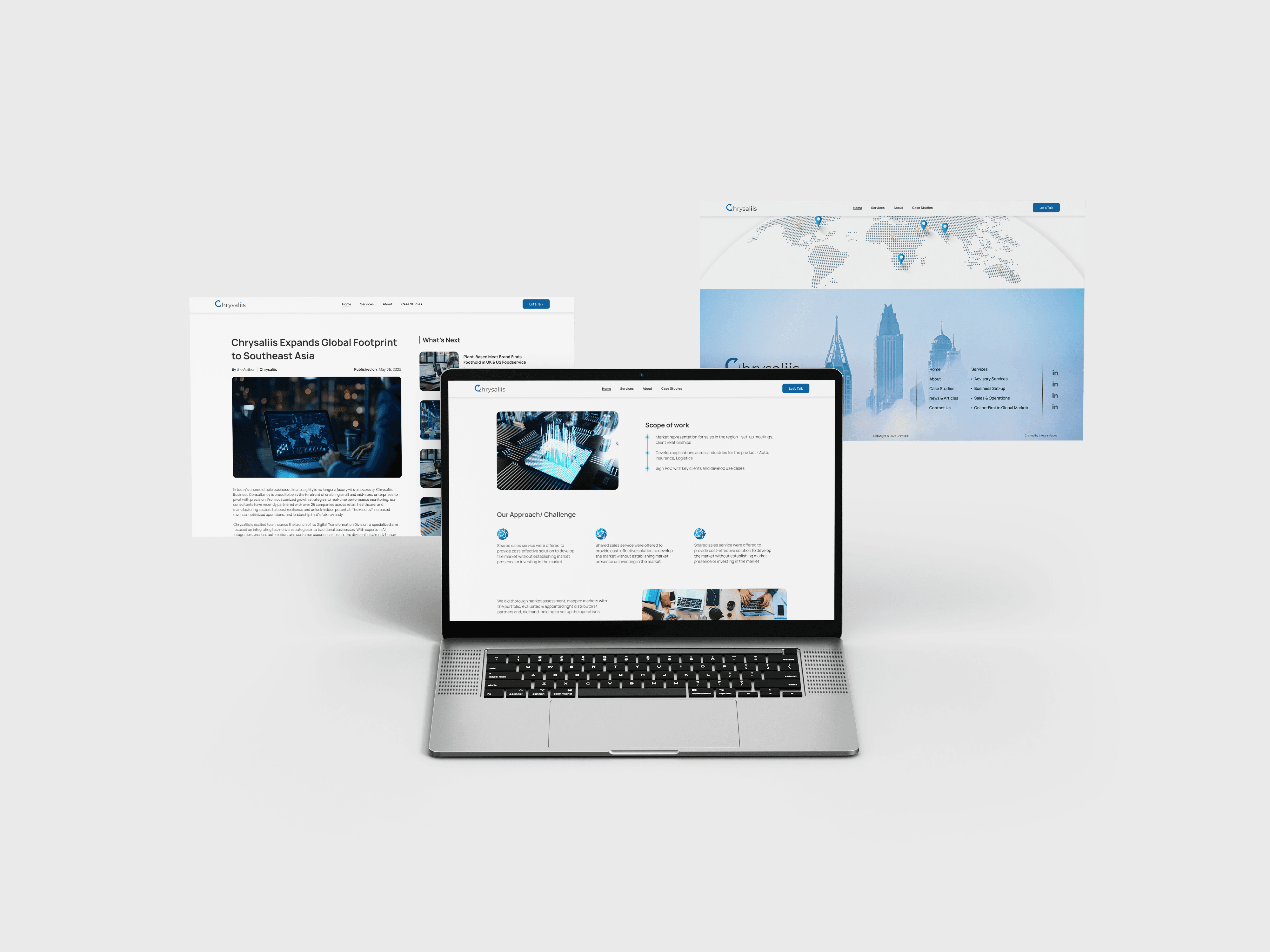
Modular Service Architecture
Proof-Led Design
"This project taught me that credibility is a design decision. In consulting, visuals are secondary. Structure is everything. If the hierarchy is unclear, trust drops immediately. Redesigning Chrysaliis wasn’t about modernizing the interface. It was about making execution visible." — Closing Reflection
The Results
What changed wasn’t just visuals. It was how quickly users understand value.
Outcome: Delivered a responsive website built around executive scanning behavior.
Key improvements: • Clear 4-item navigation • Case studies visible within first scroll • Structured service breakdown • Mobile-first layout system
audience engagement
MOBILE BOUNCE RATE